
+86 19156395116
service@dv-vacuum.com

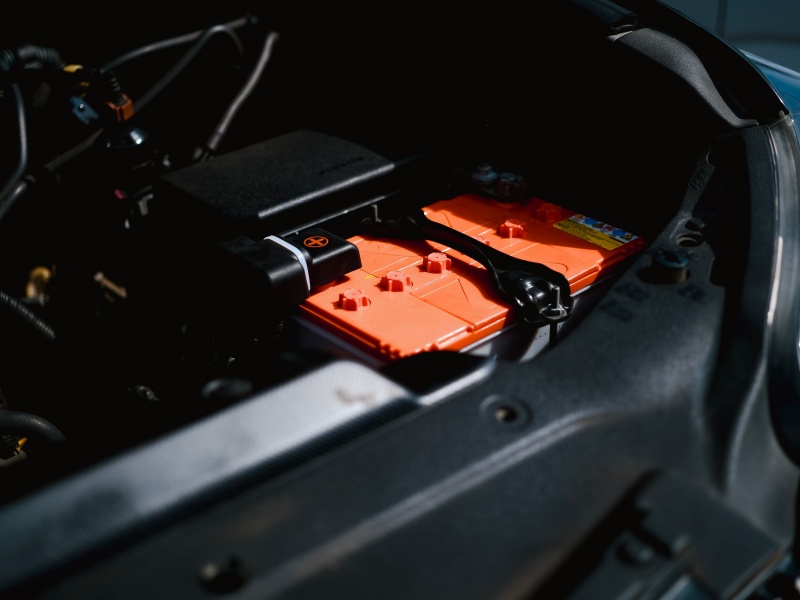
DV Vacuum vacuum solutions for new energy, lithium battery, and advanced material production are designed for processes requiring dry operation, stable vacuum conditions, and effective moisture or solvent removal.
Typical applications include electrode drying, material dehydration, solvent removal, lithium material processing, vacuum baking, and powder transfer support.
Solution configurations are selected according to actual process requirements using dry screw vacuum pumps, Roots vacuum pumps, and engineered vacuum systems.
Many new energy and battery material processes require controlled drying, moisture removal, and stable processing conditions under reduced pressure. Stable vacuum performance helps maintain suitable process conditions during material treatment and related production steps.
In these applications, vacuum systems may need to handle residual solvent vapor, moisture, fine particles, and continuous-duty operation, which makes proper pump type selection and system configuration especially important.
DV Vacuum supports customers with process-based vacuum solutions for modern new energy manufacturing environments.
Suitable for drying coated battery electrodes under controlled vacuum, frequently powered by DVS-V Variable-Pitch Dry Screw Vacuum Pumps to lower exhaust temperatures and ensure oil-free purity.
Helps remove residual water and volatile components from lithium battery precursors, supported by high-capacity DVBS Roots + Dry Screw Vacuum Systems.
Used in processes that require stable removal of residual solvent vapor from materials, intermediates, and coated products.
Supports vacuum conditions for lithium material synthesis, treatment, and intermediate handling in battery material production.
Applicable to controlled heating and drying steps where moisture reduction and stable vacuum conditions are required.
Supports vacuum-assisted powder conveying and material transfer in selected battery material and advanced manufacturing processes.
| Product / System | Recommended Use | Key Features |
|---|---|---|
| DVS-V (Variable-Pitch) / DVS (Constant-Pitch) Dry Screw Vacuum Pumps | Electrode drying, lithium battery baking, and clean dehydration processes | 100% oil-free compression; DVS-V Variable-Pitch design reduces power consumption and exhaust heat, while DVS Constant-Pitch design delivers reliable continuous performance based on load conditions |
| DVB (Standard) / DVQB (Circulatory Gas Cooled) Roots Vacuum Pumps | Vacuum booster duties, staged pumpdown, and high-flow battery process systems | Significantly increases pumping speed at deep vacuum; DVB serves as standard system booster, while DVQB features circulatory gas cooling for higher differential pressure capability |
| DVBS Roots + Dry Screw Vacuum Systems | Integrated dry vacuum packages for material dehydration and large-scale battery cell drying lines | Completely dry operation without process contamination, integrated PLC controls, and superior continuous evacuation capacity |
New energy processes vary in material type, vapor content, drying temperature, and system layout. DV Vacuum provides engineering support for pump selection and integrated vacuum system design based on actual process requirements.
Use an oil-free dry screw pump with a DVB Roots booster for stable low-pressure pumping. An upstream condenser, knock-out pot and nitrogen purge reduce vapor carryover and internal condensation.
Use variable-frequency control to match pumping speed to actual demand, and install the pump unit outside the dry room where possible. This reduces unnecessary power consumption, heat load and air-conditioning demand.
Yes. Our modular design lets you combine multiple booster + backing-pump units on a common manifold, supporting large oven banks with chamber volumes from a few liters to several hundred cubic meters. Each pump module is independently serviceable, so maintenance does not stop the line.
The DVB Roots pump uses inlet-pressure and differential-pressure control. A variable-frequency drive or bypass protection limits the compression load during pressure fluctuations, reducing motor overload and rotor overheating while maintaining high pumping speed at low pressure.
Share your material characteristics, operating pressure, required pumping speed, temperature, and process requirements. Our engineering team can recommend a suitable vacuum pump or custom-engineered vacuum system for your application.